AI Agentic Technology


Picture a digital commerce ecosystem where tasks execute themselves – adapting instantly to market shifts, personalizing customer interactions, and optimizing operations without constant oversight. This vision is becoming reality with AI Agents, the next leap in business process automation. Offering autonomy, real-time adaptability, and smart decision-making, these agents support, tailor, and improve how commerce leaders drive efficiency and customer satisfaction. Yet, their power hinges on one critical factor: process orchestration. Done right, it’s the glue that binds AI into your operations seamlessly. Done poorly, it risks chaos.

As a digital commerce specialist, I’ve seen firsthand how orchestration can make or break AI adoption. In this post, I’ll unpack why orchestration matters, explore its three key flavors, and share actionable insights to help business leaders harness AI Agents effectively.

Why Process Orchestration Is Non-Negotiable

Modern commerce thrives on interconnected processes – spanning inventory management technology, customer platforms, enterprise systems and now, AI Agents. Without orchestration, these pieces can splinter into silos, dragging down productivity and piling on tech debt. Accenture notes that generative AI is now a top driver of tech debt, a warning sign for haphazard AI rollouts.

Process orchestration bridges these gaps, ensuring smooth task flows across people, systems, and AI. It’s your safeguard for auditability, governance, and compliance, and it empowers real-time tweaks to keep pace with demand. For commerce leaders, this means faster order fulfillment, sharper personalization, and happier customers.

  • Why it matters:
    • Prevents siloed inefficiencies and fragmented customer experiences
    • Reduces tech debt from poorly integrated AI
    • Ensures compliance with a clear audit trail

Continue reading “AI Agents and Process Orchestration: Advancing the Future of Digital Commerce”

Digital Transformation


Digital transformation isn’t just about technology – it’s about reimagining how your business operates, delivers value, and stays competitive. Here are some proven tips to optimize the process and unlock real results:

Start with a Clear Vision: Define what digital transformation means for your business. It’s the blueprint that guides your strategy.

Engage Your Team: Transformation is a team sport. Foster a culture of innovation and make everyone a stakeholder in the process.

Focus on Customer Experience: Use technology to enhance your value proposition. Delighted customers are your biggest advocates.

Leverage Data Wisely: Data-driven insights can unlock unprecedented opportunities for efficiency and personalization.

Prioritize Agility: In a fast-paced digital world, the ability to adapt quickly is invaluable. Implement lean methodologies to stay flexible.

Secure Your Transformation: As you digitize, cybersecurity becomes paramount. Protect your assets and your customers’ trust.

Measure and Iterate: Set clear KPIs. What gets measured gets improved. Be prepared to pivot based on feedback and results.

While digital transformation is a motivating and energizing experience, it is important to recognize that change may cause anxiety and upheaval. Leaders must pay attention to their team’s responses and feedback, demonstrating care, empathy, and support.

Here are key considerations as you embark on your transformation journey:

  • Perform vulnerability analysis.
  • Humanize the digital transformation process.
  • Ensure communications are clear, plain-spoken, impelling, and thought-provoking.
  • Fill uncertain and problematic spaces with spirited ideation, vigorous testing, potent learning, and dynamic discussions.
  • During transitional phases, balance tenacity and agility with patience and purposeful listening.
  • For effective change management, make the process open, visible, well-orchestrated, and invigorating.

Digital transformation is a journey, not a destination. By focusing on these principles, you can drive operational efficiency, improve performance, and future-proof your organization.

Leveraging my extensive experience in leading digital transformations, I excel in navigating the complexities of integrating technologies while preserving core company capabilities. My expertise lies in crafting strategies that not only modernize operations but also foster a culture of innovation and resilience.

Whether you’re at the initial stages or looking to refine your approach, I welcome the opportunity to discuss how we can develop a tailor-made roadmap to unlock your organization’s full potential. Let’s connect and transform your vision into reality.

#DigitalTransformation #Leadership #OperationalEfficiency #Innovation #BusinessGrowth

LinkedIn: https://www.linkedin.com/company/art-of-digital-commerce/

Contact: (760) 429-3800 | anna@artofdigitalcommerce.com  |  artofdigitalcommerce.com

Digital Pattern with Tagline


Ever wonder why some businesses achieve incredible digital ROI while others struggle?

Leveraging the right strategies and targeting the right audience can make all the difference.

Here’s what I’ve learned from years in the field:

Marketing Mix Modeling (MMM)

By analyzing the performance of different marketing channels, businesses can allocate their budgets more effectively. Did you know that companies using MMM see a 15-20% increase in ROI? (Source: Nielsen).

AI-Driven Paid Media

AI can optimize ad spend and target the right audiences. According to eMarketer, businesses using AI-driven advertising report a 30% boost in conversion rates.

Advertising Attribution

Understanding which channels drive conversions allows for better investment decisions. Real-time data helps in tweaking campaigns for maximum impact.

Video Marketing

Videos can increase user engagement significantly. HubSpot reports that 72% of customers prefer learning about a product through video.

Conversion Rate Optimization (CRO)

Small tweaks in your website’s design and user experience can lead to big gains. Companies that prioritize CRO achieve a 223% increase in ROI on average. (Source: HubSpot)

Imagine a 1% increase in conversion rates leading to thousands more in revenue annually.

I had a client struggling with low ROI despite heavy investment in digital marketing. By implementing these strategies, they saw a 40% increase in revenue within six months.

It’s time to redefine the future of the digital experience – enough with cookie-cutter ‘best practices’ and old school tactics. 

Brands must be agile, bold, adaptive, cutting-edge, technology centric, consumer obsessed, and they need to lean in with an innovative mindset.

Stay tuned for more insights on maximizing your digital marketing & ecommerce potential.

Double exposure of business people who work together in office


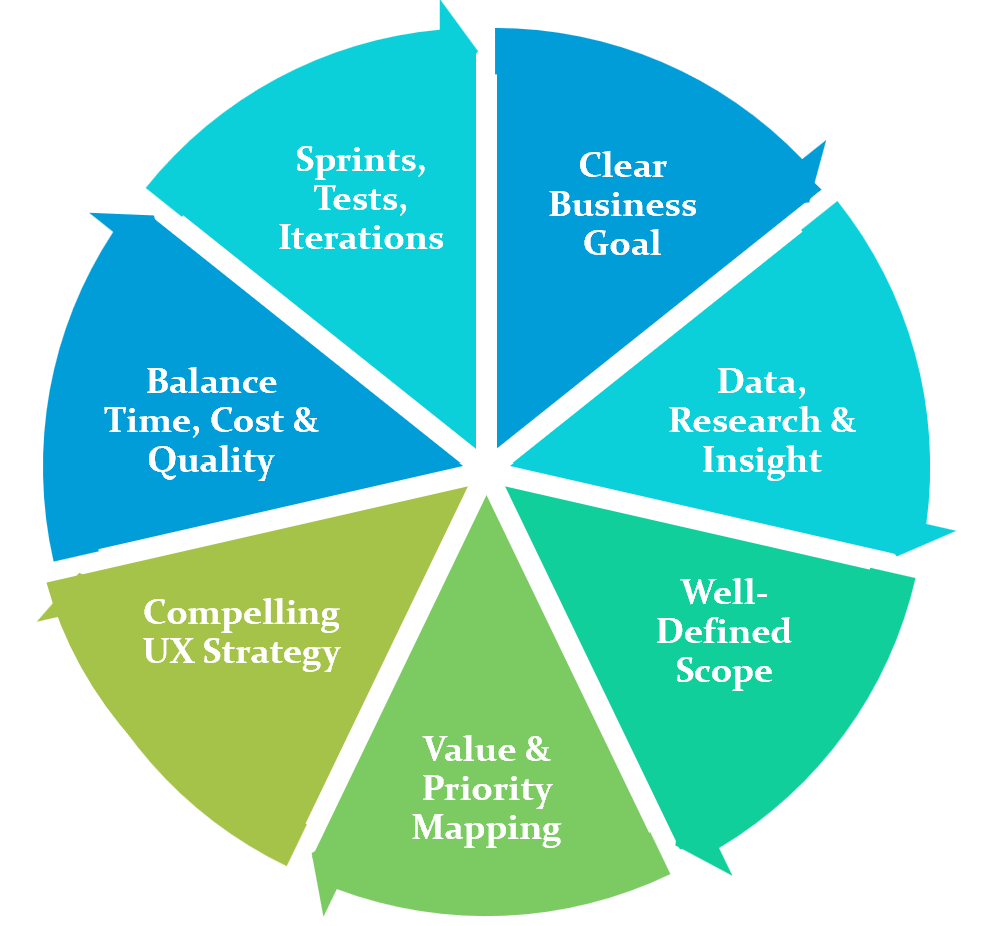
As the digital landscape evolves, businesses must leverage innovative digital initiatives to scale their online performance and drive sales growth. But where do you begin, and how do you ensure your efforts yield the desired results? The answer lies in a well-structured digital project framework. By incorporating key elements such as the nucleus, planning & strategy, primary focus, agile methodology, and defining project characteristics, objectives, flow, and success, businesses can navigate the complexities of digital transformation with confidence.

This blog will delve into the crucial components of this framework, providing valuable insights and practical guidelines to help your business thrive in the digital realm. Whether you’re a seasoned entrepreneur or just starting your digital journey, understanding and implementing these strategies can make a significant difference in achieving sustained growth and competitive advantage. Stay tuned as we explore each aspect of this powerful framework and unlock the potential of your digital initiatives.

Project Nucleus

ROI-Driven  | Value  |  Impact |  Velocity  | Tested  |  Scalable  |  Secure

Critical Components

Critical Components


Efficiency Actions to Adopt

  • Always require a purpose, objective and quantifiable goal
  • Seek value-based and scalable solutions with no long-term lock
  • Continually evaluate machine and labor non-productive ‘wait’ times
  • Endeavor to reduce ‘time and distance’ traveled through production
  • Create processes that shorten the time frame to delivery

Project Characteristics

Lean | Collaborative |  Transformative  | Disciplined |  Engaged  |  Purposeful  |  Outcome-Oriented

Project Key Factors

Measurable Goals  |  Relevant Targets |  Time Bound |  Veracity  |  Distinct Requirements  |  Compliance  |  Standards  |  Documentation  |  Solutions-Based  |  Functional Requisites  |  Narrow Sprints  |  Tests and Iterations

Continue reading “The Blueprint for Digital Success: A Comprehensive Framework”

Digital Performance


In today’s fast-evolving digital landscape, businesses must stay ahead of the curve to remain competitive. A key component of this strategy involves future-proofing your Marketing Technology (MarTech) stack. But what does this mean, and how can it be achieved?

Integration is Key

A well-integrated MarTech stack ensures seamless data flow between systems, allowing for more accurate insights and better decision-making. Evaluate your current tools and consider how they interact. Are there gaps that could be filled with more integrated solutions?

Embrace Automation

Automation is not just a buzzword—it’s a necessity. Automating repetitive tasks can free up your team to focus on strategy and creativity. Look for tools that offer robust automation capabilities to enhance both operational efficiency and campaign performance.

Continue reading “Future Proofing the MarTech Stack for Optimal Campaign Performance and Operational Efficiency”